

Weighbridges in India - Technoweigh. The Most Reputed And Trusted Weighbridge Manufacturer
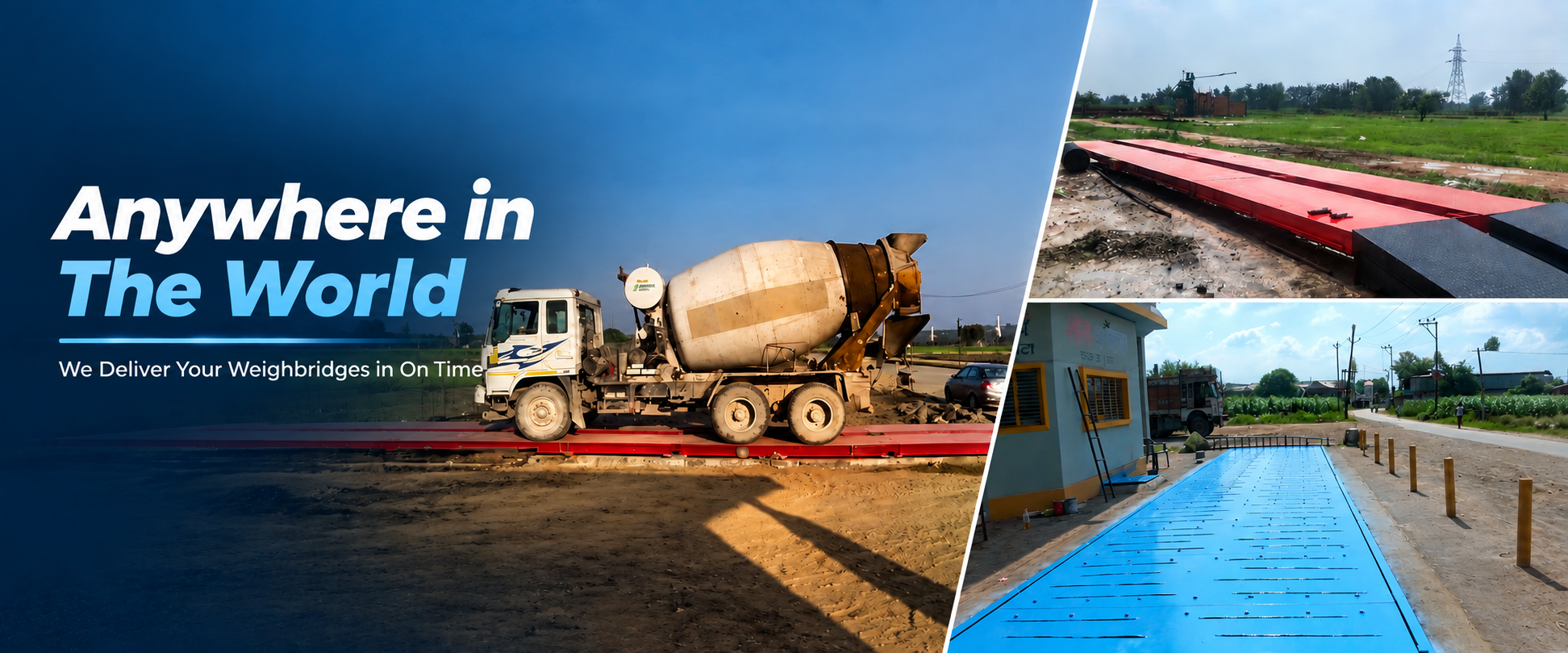
Technoweigh is a trusted name among weighbridge manufacturers in India, providing weighing solutions for industrial and commercial applications across the country. An accurate truck scale helps businesses maintain reliable weight records, monitor cargo loads, improve billing accuracy, and identify vehicles exceeding applicable weight limits.
A Delhi-based weighbridge company, manufactures, supplies, and exports weighbridges for diverse operational requirements. With 15 years of experience, over 8000 installations, and a Pan India presence across 15 states, the company offers electronic weighbridge, digital weighbridge, pitless & pit-type weighbridge, and mobile or portable weighbridge models in capacities from 30 to 100 tons.
Looking for a weighbridge company in anywhere in India? Share your capacity, platform size and site details, and our team will recommend the right solution and share a clear quote.
About Technoweigh
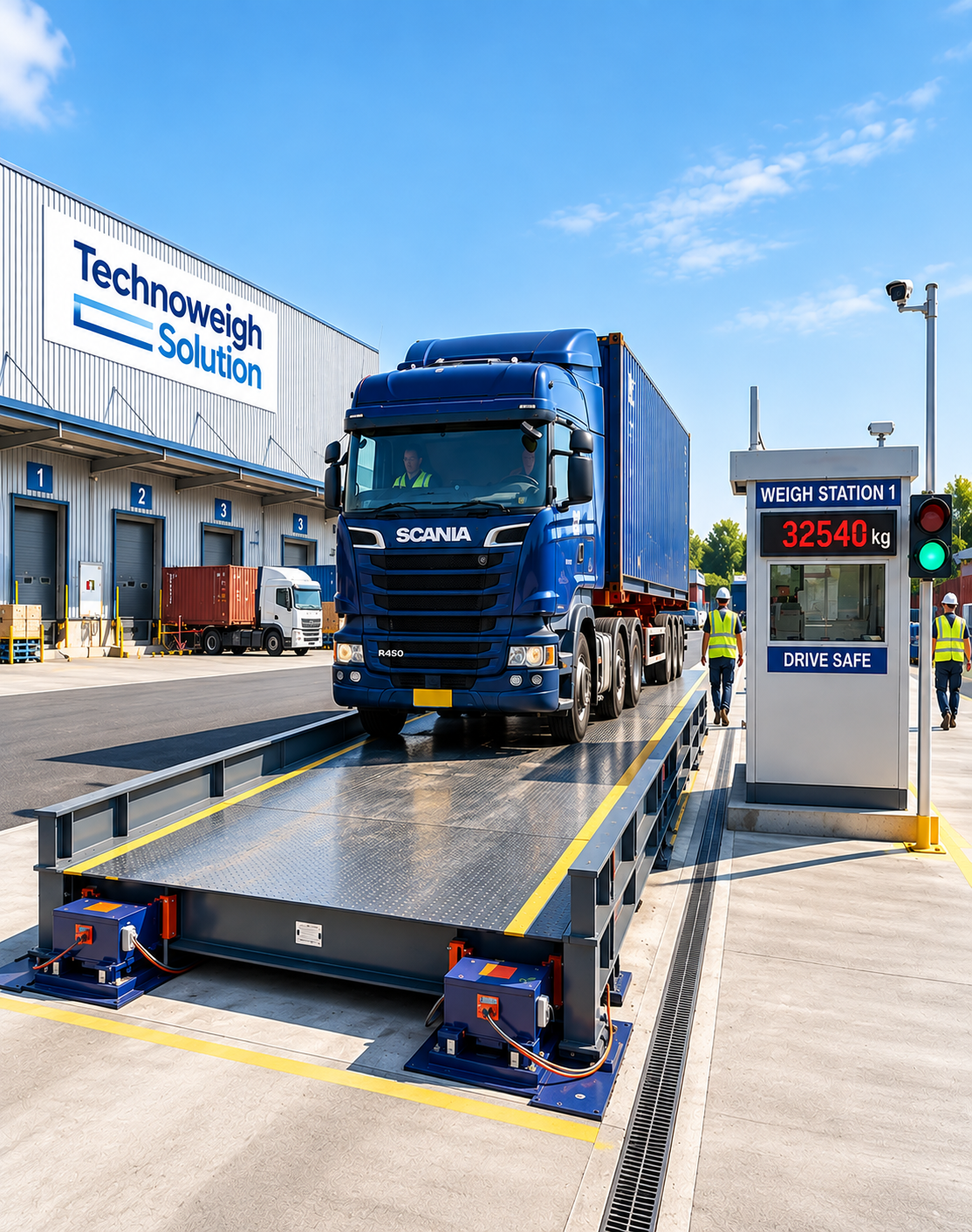
Each system is built with quality load cells, a sturdy steel structure, and a reliable indicator, and it can be customised to your site, vehicle size, and weighbridge price budget. Beyond weighbridges, Technoweigh also supplies junction boxes, jumbo displays, crane scales, test weights, and ladle weighing systems for steel plants and foundries.
Certified, compliant and GeM registered
Our Pan India support covers site survey, installation, weighbridge calibration, Legal Metrology stamping, operator training, and after-sales service. Technoweigh is GeM registered, and its weighbridges are built to Legal Metrology, making us a trusted supplier for businesses that depend on accurate weighing.
Technology that fits your workflow
Modern operations need more than a platform and a display. Our truck scale systems can be fitted with strain gauge or digital load cells, printers, cameras, RFID, boom barriers and ANPR, and connected to your ERP or cloud software for remote monitoring and tamper-resistant records. Whether you need a basic setup or a fully automated weighing station, we configure it around how your plant actually runs.
Support beyond installation
A weighbridge is a long-term asset, and accuracy must be maintained. Our engineers handle site surveys, installation, weighbridge calibration, stamping, operator training and annual maintenance contracts (AMC), so your system stays compliant and dependable year after year.
Advanced Weighbridge Technology and Specifications
Technoweigh offers weighbridge systems with multiple technologies, specifications, and integration options to meet diverse industrial and commercial requirements. From load cells and digital indicators to weighing software and automated vehicle identification, configurations can be selected according to the application’s needs.
Available technology options may include strain-gauge or digital load cells, weighing indicators, software, printers, cameras, RFID readers, boom barriers, and automatic number plate recognition (ANPR) systems. Depending on compatibility and configuration, weighbridges can also support ERP or cloud integration and remote monitoring to streamline weighing operations and data management.
The appropriate accuracy class, system components, and automation features depend on the intended application, applicable requirements, and the customer’s existing infrastructure. Businesses can discuss their technical specifications with Technoweigh to identify a suitable weighing solution for their operational needs.
Engineered Excellence
Key Featured Weighbridges
Digital Weighbridges
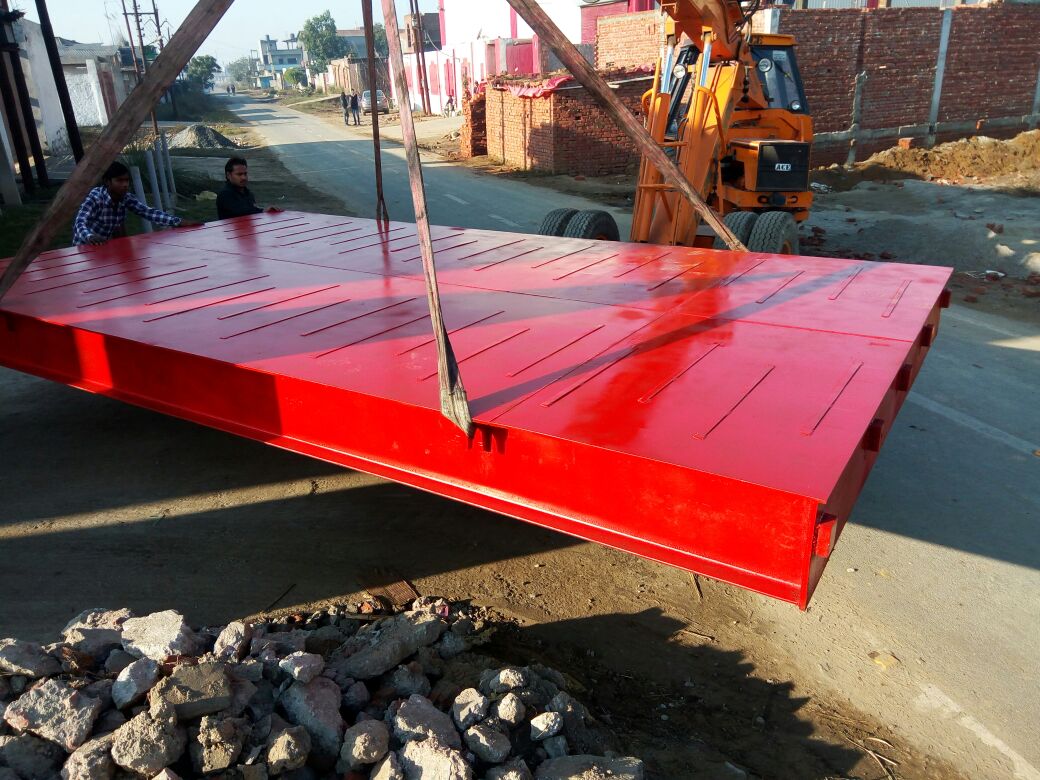
The digital weighbridge uses digital load cells and a smart indicator for stable readings, easy diagnostics and simple weighbridge calibration.
Mobile Weighbridge
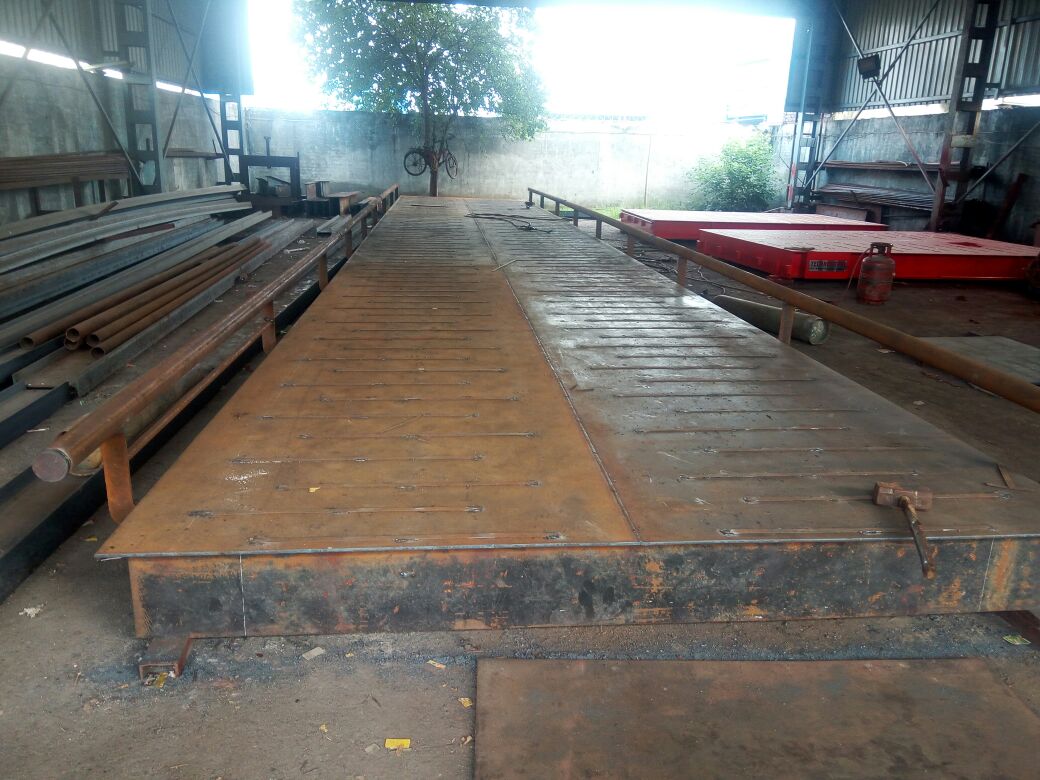
Mobile weighbridges are portable weighing solutions suitable for construction, recycling, and other industries requiring flexible weighing facilities.
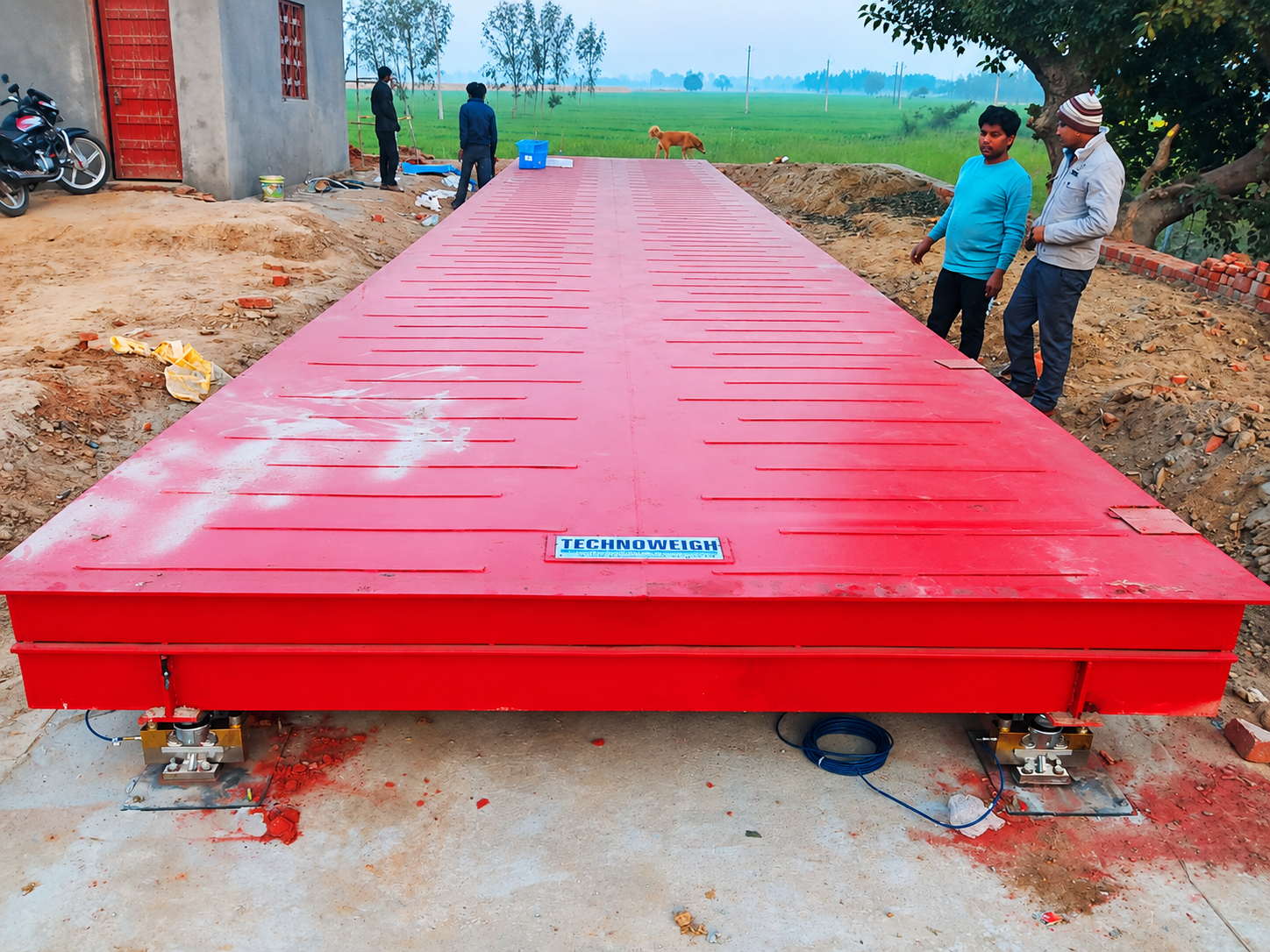
Portable Weighbridge
The portable weighbridge is a compact, easy-to-move weighing platform for quarries, construction sites and short-term projects.
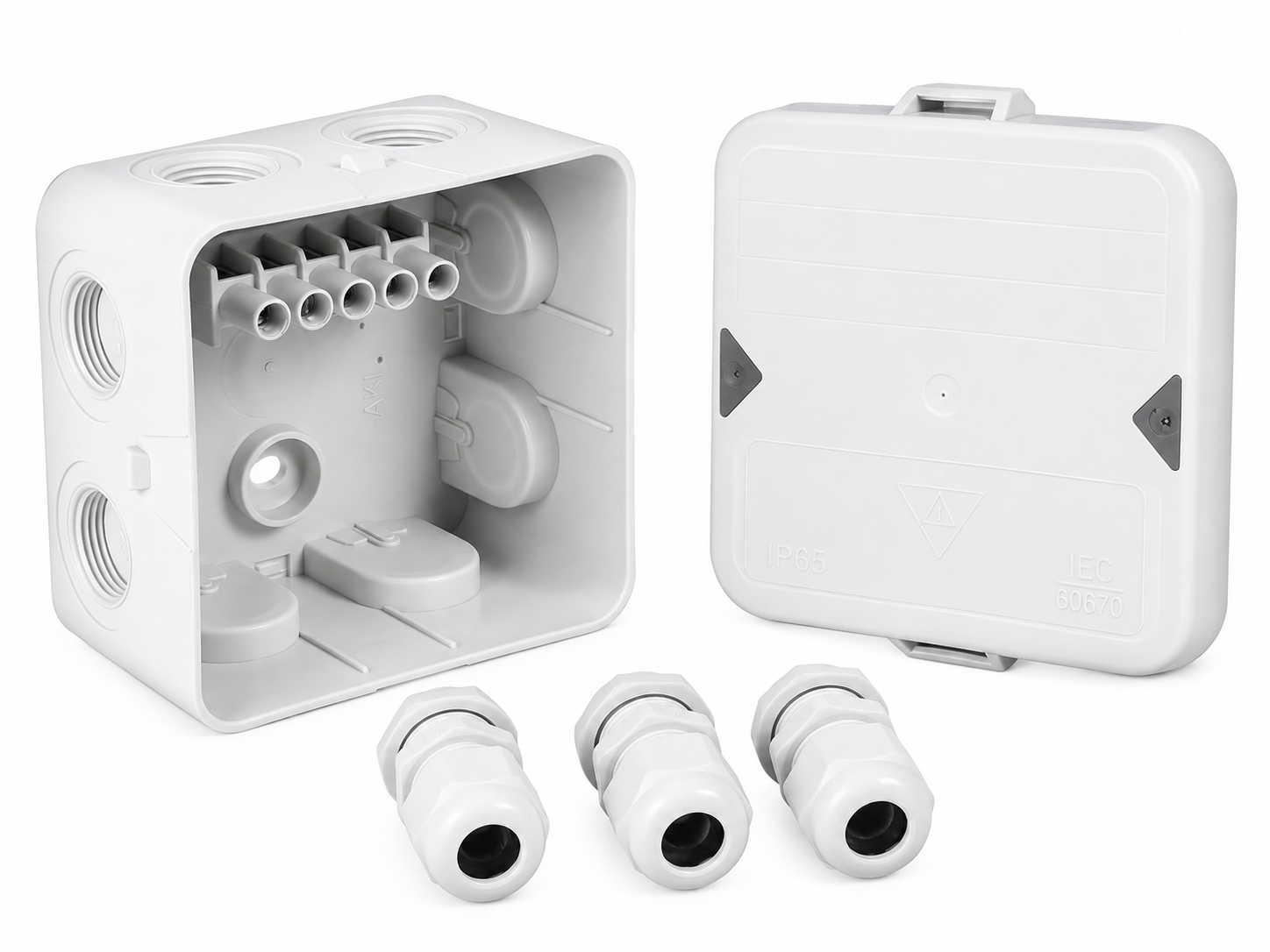
Junction Box
The junction box combines the signals from all load cells and sends them to the indicator, with protection against moisture and dust.
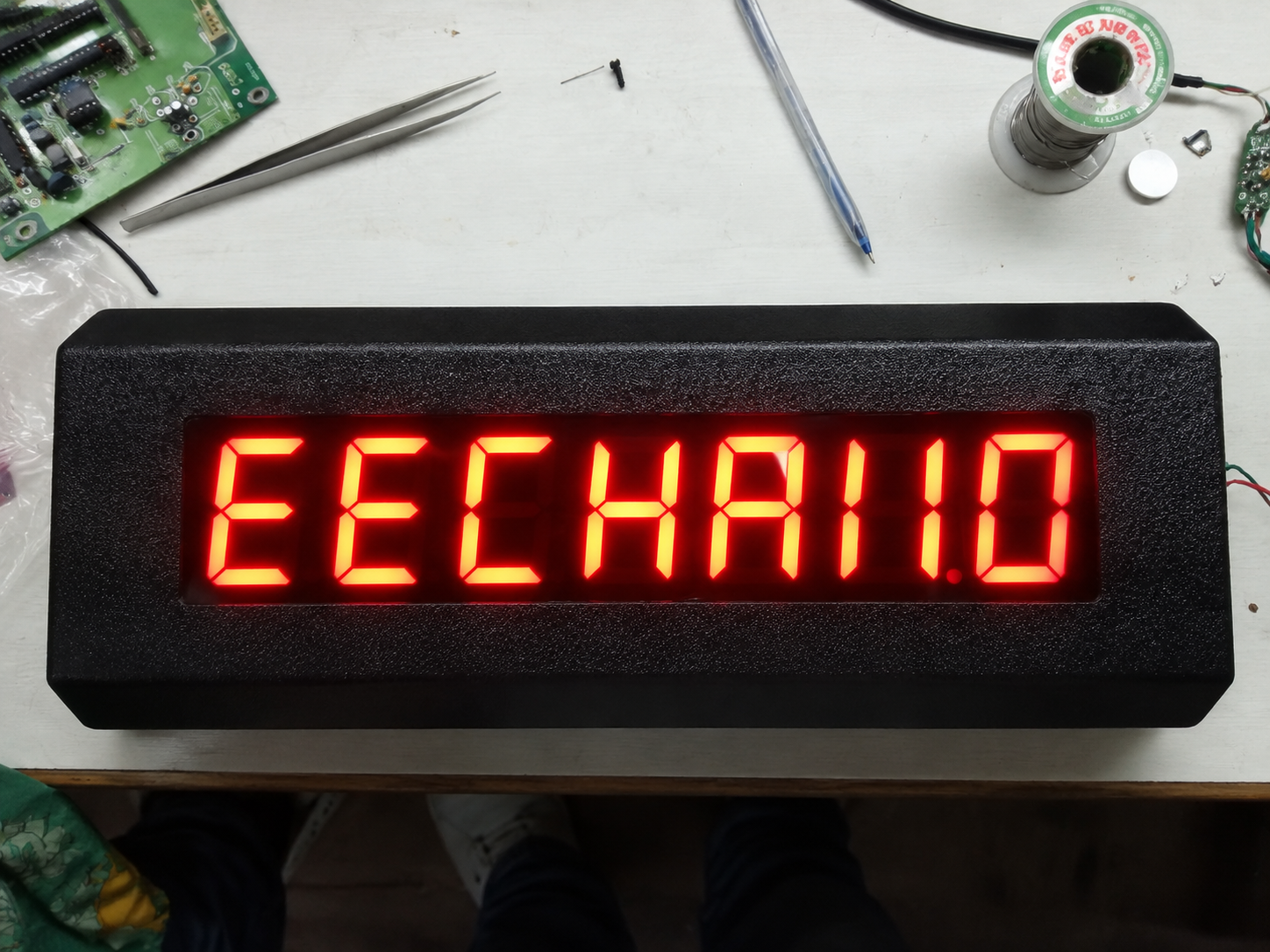
Jumbo display
A jumbo display shows the weight in large, bright digits so drivers and operators can read it clearly from a distance.
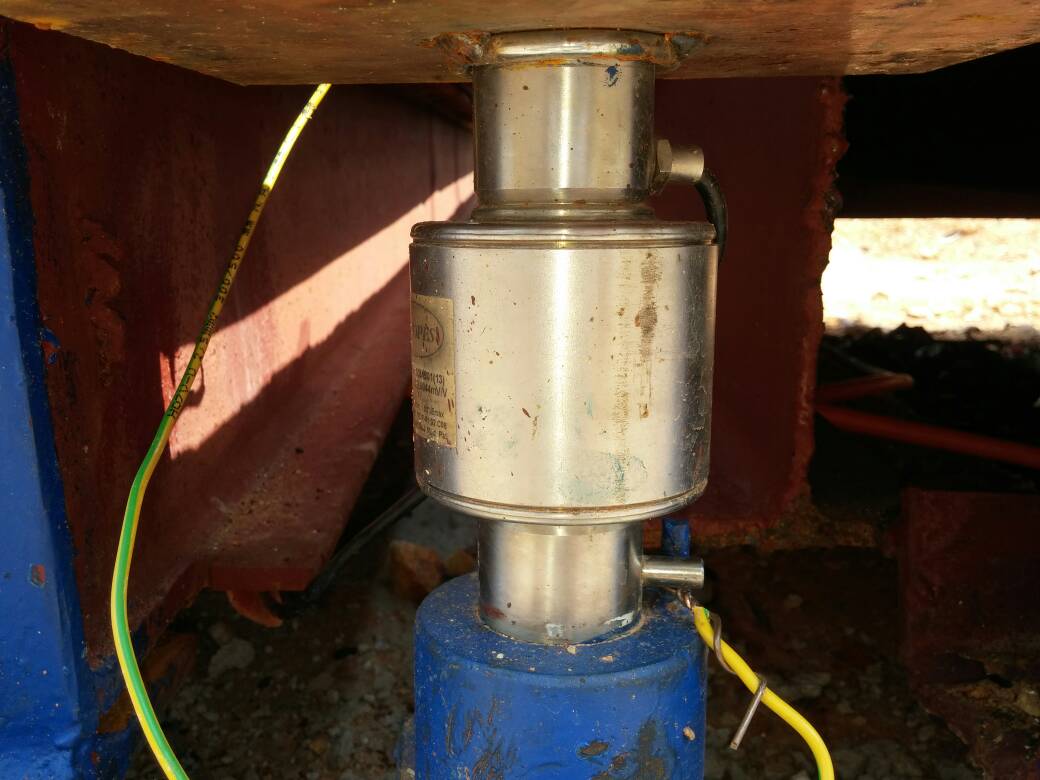
Load Cell
Our load cells convert the weight of the load into an electrical signal, and they are built for accuracy and long life under heavy industrial use.
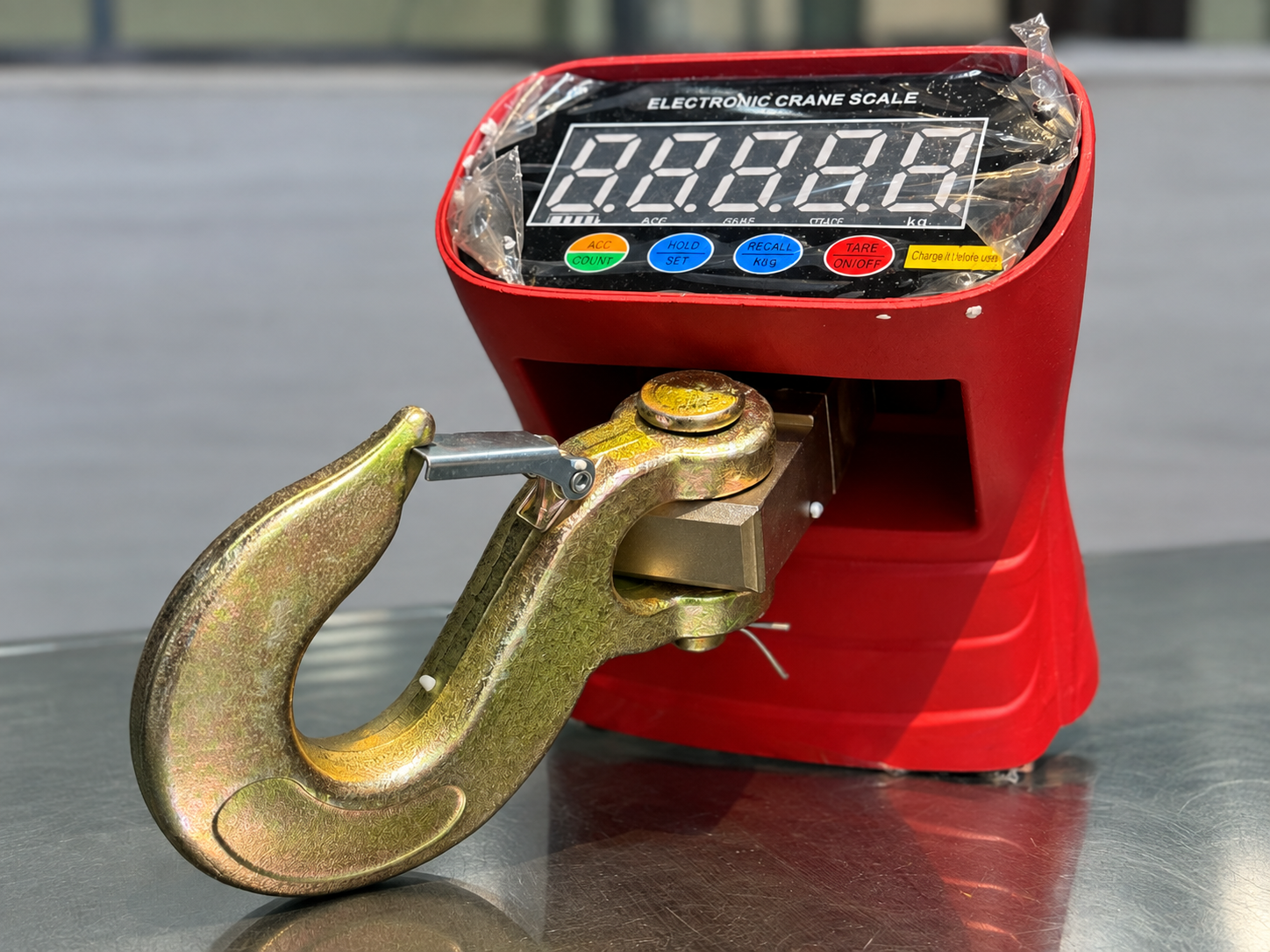
Crane Scale
The crane scale weighs loads directly while they are being lifted, saving time in workshops, warehouses and heavy industry.
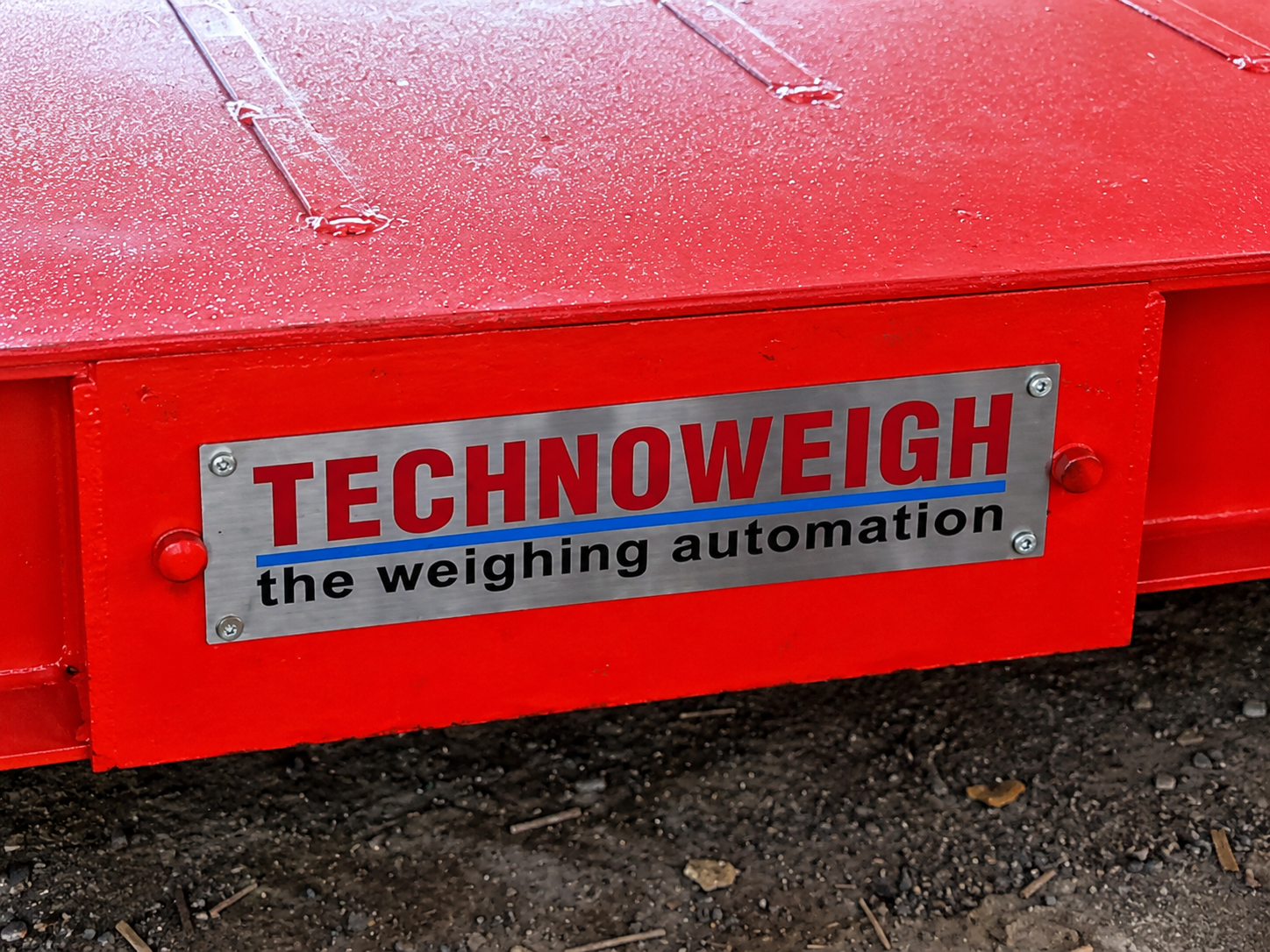
Electronic Weighbridge
Our electronic weighbridge is a heavy-duty truck scale that uses load cells to give fast, accurate vehicle weights for industries across India.
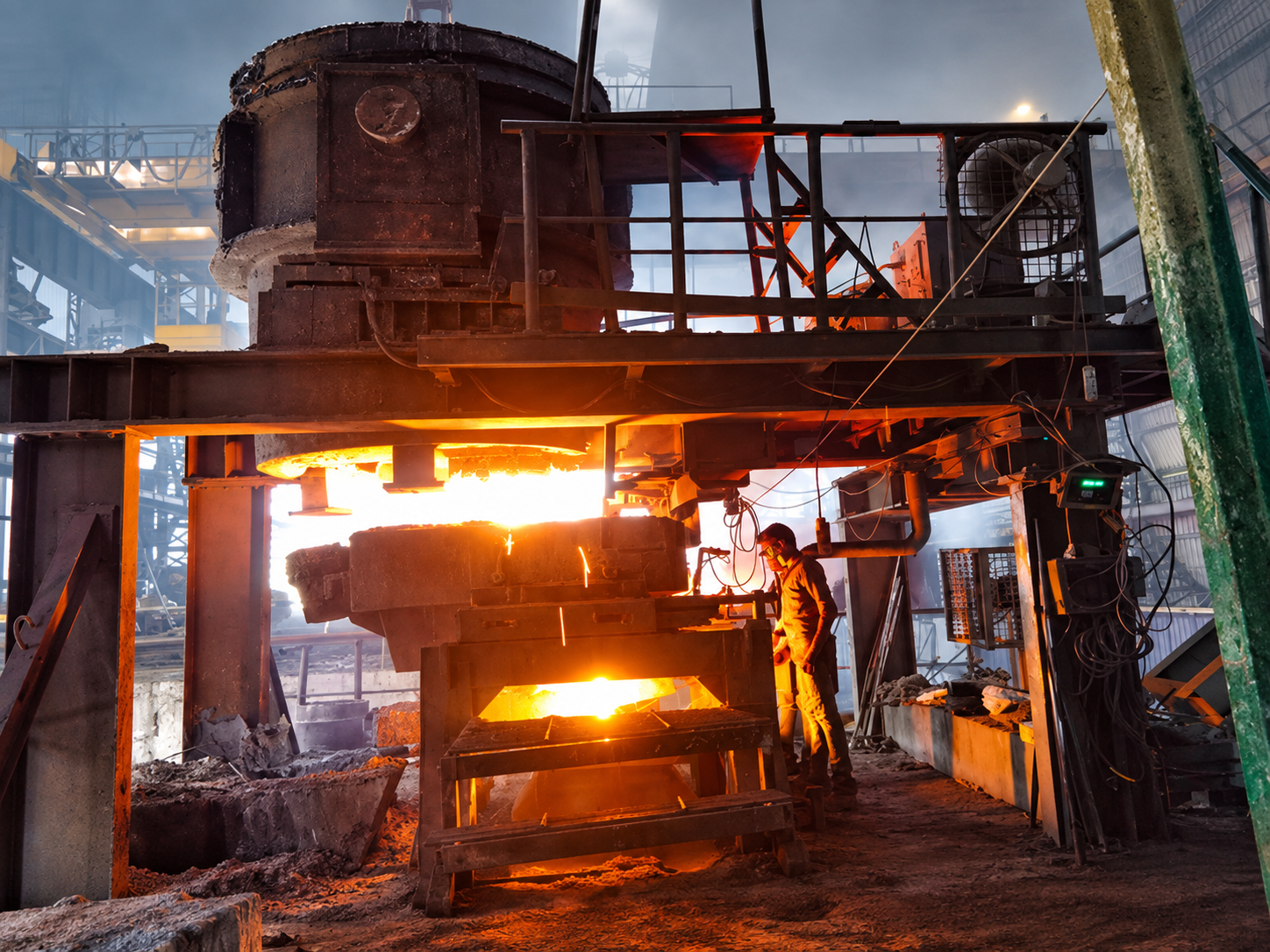
Ladle Weighing System
Our ladle weighing system measures molten metal accurately in steel plants and foundries to control batches and improve safety.
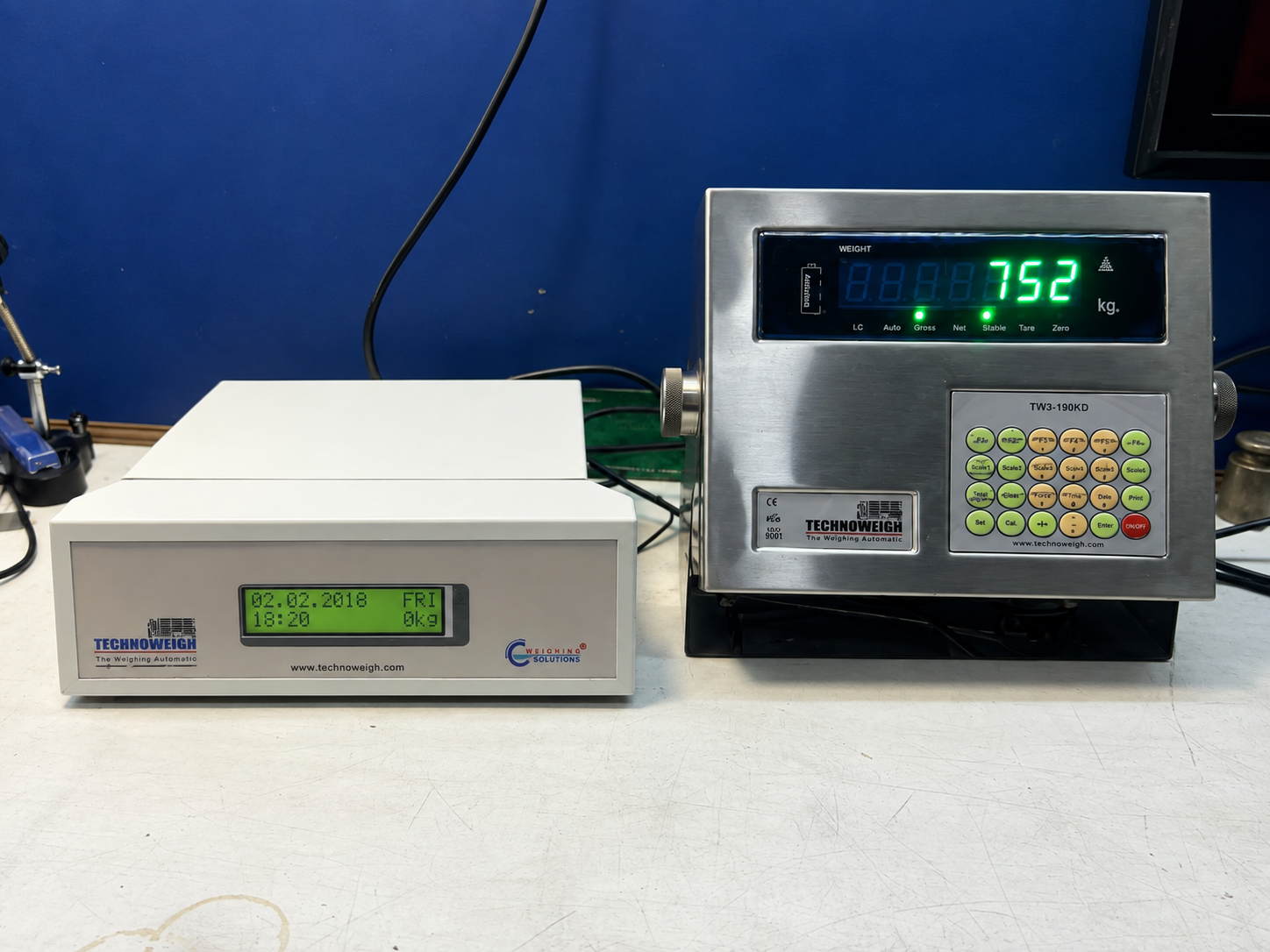
Intelligent Terminal
The intelligent terminal records weighments, prints slips and connects with software, cameras and ERP systems for complete weighbridge automation.
Pitless Weighbridge
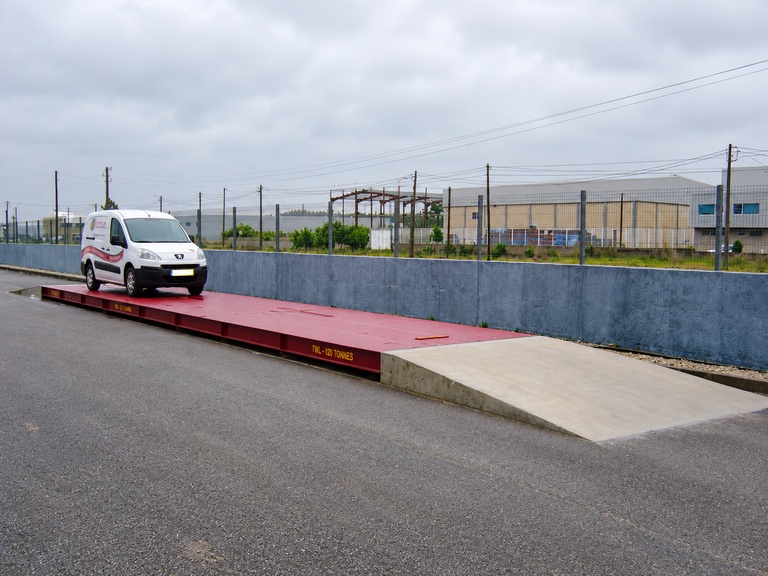
Pitless weighbridges, also called surface-mounted weighbridges, are installed above ground level and offer easy maintenance and convenient access.
Corporate Philosophy
Committed to National & Global Impact
Why Choose Technoweigh
In-house manufacturing: We design and build our weighbridges at our own facility including Delhi ncr plants, so we control quality from the steel structure to the final calibration.
Delivery timeline: Most orders are dispatched within few days as soon as order confirmation, depending on capacity and site requirements.
Warranty: Every weighbridge comes with maximum years (as company policy) warranty covering manufacturing defects, with extended cover available through an annual maintenance contract.
After-sales service: Our team supports you after installation with calibration, stamping assistance, spares and troubleshooting.
Service engineers: Trained engineers are available across India and can easily reach most sites within minimum time, so downtime stays low.
Weighbridge Price: What Affects the Cost
There is no single price for a weighbridge in India, because each one is built around the site and the vehicles it will weigh. The final quote depends on a few clear factors:
- Capacity and platform size: A 100-ton, 24-metre weighbridge needs more steel, more load cells, and a stronger structure than a 40-ton, 12-metre one.
- Deck type: Steel, concrete, and modular decks are priced differently. A pitless weighbridge saves on excavation, while a pit-type needs more civil work.
- Civil work: Foundation, ramps, drainage, and site preparation can change your total budget.
- Load cells and electronics: Digital load cells, indicators, and junction boxes add to the cost, but they improve accuracy and long-term reliability.
- Software and add-ons: Printers, cameras, RFID, boom barriers, and ERP integration raise the price of a weighbridge.
- Calibration and service: Stamping, calibration, and an annual maintenance contract should be part of your budget from the start.
Our Process: How We Work
Technoweigh follows a structured process to help businesses select and implement suitable weighing solutions according to their operational requirements and site conditions.
Inquiry: Understand the customer’s weighing requirements, vehicle types, capacity needs, and budget.
Site Survey: Assess available space, site conditions, access, and civil work requirements.
Design: Determine suitable weighbridge specifications, platform dimensions, and system configuration.
Manufacturing: Manufacture the weighing system according to the approved design and specifications.
Installation: Install the weighbridge and associated components at the designated site.
Calibration: Verify weighing performance and arrange applicable calibration procedures.
Legal Stamping: Coordinate applicable verification and stamping requirements under relevant Legal Metrology regulations.
Training: Guide operators on system operation, weighing procedures, and available software features.
AMC and Maintenance: Provide annual maintenance contract (AMC) services and ongoing technical support, subject to the service agreement.
Export Presence
Technoweigh supplies weighbridges and weighing systems across India and exports to customers in Africa and Asia. Our Pan India sales network ensures timely delivery, installation and after-sales support in every region. For international orders, we handle export-grade packing, shipping coordination and documentation such as invoices, packing lists and certificates where required, so overseas customers get the same reliable service as customers at home.
True Facts
The Facts Speak For Themselves
3,500+
99.9%
28 States
12+
Global Distribution
International Export Footprint
Technoweigh industrial heavy-duty weighbridge systems operating continuously across continents.
- South Africa
- Kenya
- Tanzania
- Ghana
- Nigeria
- Ivory Coast
- Bangladesh
- U.A.E.
- Cameroon
- Ethiopia
- Uganda
- Botswana
- Chad
Frequently Asked Questions
Weighbridge Operation Guidance FAQs
Find out some most important questions and their answers which are asked from at most our interest customers from India and China.
The weighbridge price in India depends on the capacity, platform size, deck type, civil work, load cell quality and automation you choose. Because each unit is made to order, prices usually run into several lakh rupees. A pitless weighbridge generally needs less civil work than a pit-type one, which can lower setup costs, though it needs ramps and more space. Add-ons such as a printer, camera, RFID or ERP integration increase the cost of an electronic weighbridge. Calibration, stamping and annual maintenance should be part of your budget too. For an accurate figure, share your vehicle size, capacity and site details with Technoweigh and ask for a written quote.
Weighbridge calibration should be done at least once a year for any weighbridge used in trade, and more often at sites with heavy daily traffic. It’s also needed after repairs, load cell replacement, relocation, or damage from water or lightning, and whenever readings look inconsistent. During calibration, technicians place certified test weights on the truck scale and adjust the indicator so it matches the known values. Legal Metrology rules also require periodic verification and stamping of weighing instruments, and the interval can vary by state, so confirm the schedule with your local office. Regular calibration keeps readings accurate and protects you from billing disputes.
- Installation time depends on the type of weighbridge and your site. Civil work usually takes the longest. A pitless weighbridge needs a foundation and ramps, and once they are ready, assembling the platform, fitting the load cells and calibrating the system usually takes a few days. A pit-type weighbridge takes longer because the pit must be built and the concrete must cure first. A mobile or portable weighbridge is the quickest to set up, since it needs very little civil work. A site survey before work begins helps confirm the schedule, and preparation such as level ground, power supply and clear truck access helps you avoid delays.
The space depends on the weighbridge length, which depends on your vehicles. A standard truck scale platform is typically about 3 metres wide and 9 to 24 metres long, and it should be longer than the longest vehicle you plan to weigh. You also need straight approach roads at both ends so trucks can enter and leave smoothly, plus room for a control cabin. A pitless weighbridge needs extra space for ramps on both sides. A site survey will confirm exact dimensions before you commit.
Choose a mobile weighbridge or portable weighbridge when you need weighing at temporary locations or want to avoid heavy civil work. It suits mining sites, quarries, construction projects, short-term contracts and businesses that may change their site. It is a type of pitless weighbridge, so it needs no pit and can be moved when your operations shift. The ground should be level and firm, and ramps are needed for vehicles. For permanent, high-traffic operations such as a plant gate or a mandi, a fixed pit-type or pitless weighbridge is usually the better long-term choice.
A pit-type weighbridge is installed in a concrete pit so the platform sits level with the road. This saves space and lets vehicles drive on straight, but the pit needs excavation, can collect water and debris, and requires cleaning. A pitless weighbridge sits above ground on a foundation with ramps at both ends. It needs less civil work, is easier to clean and maintain, and can often be relocated, but it needs more space. Accuracy doesn’t depend on pit or pitless design. It depends on the quality of the load cells and the installation.
A ladle weighing system measures the weight of molten metal in a ladle, mainly in steel plants and foundries. Load cells fitted at the ladle’s support points or on the lifting equipment send signals to an indicator, so operators can see the exact weight during transfer and pouring. This helps control batch quality, avoid overfilling and improve safety. These systems are built to cope with heat, vibration and heavy loads, and they can connect to remote displays and software for recording. Many plants pair them with crane scales and jumbo displays for clear visibility.
Our Industries
Technoweigh provides industrial weighing solutions, including electronic and mobile weighbridges, industrial scales, motion weighing systems, and pit-type and pitless weighbridges to support diverse industry requirements.
- Mining: Weigh trucks carrying extracted minerals to monitor material movement and dispatch quantities.
- Cement: Measure incoming raw materials and outgoing cement shipments for inventory and dispatch records.
- Steel: Weigh raw materials, scrap metal, and finished steel products during production and transportation.
- Logistics: Record vehicle and cargo weights to support freight management and shipment documentation.
- Agriculture and Mandis: Weigh incoming agricultural produce to support procurement, trading, and stock management.
- Recycling: Measure incoming scrap and recyclable materials to manage inventory and commercial transactions.
- Ports: Weigh cargo-carrying trucks to support cargo handling and transport documentation.
- FCI and Warehouses: Record the weight of grain consignments and other goods during receipt and dispatch.
- Construction: Weigh trucks transporting sand, aggregates, cement, and other construction materials.
Our Customers