
Industrial weighing is one of those operational necessities that businesses rarely think about — until something goes wrong. Whether you run a logistics yard, a mining operation, a cement plant, or an agricultural warehouse, accurate large-scale weighing isn’t optional. It’s the backbone of billing, inventory control, and regulatory compliance. That’s where a weighbridge comes in, and why choosing the right weighbridge manufacturers, suppliers, and exporters matters so much.
This guide breaks down what to look for in a weighbridge company, how to evaluate the equipment itself, and why the humble load cell deserves far more attention than it usually gets.
What Is a Weighbridge, and Why Does It Matter?
A weighbridge (also called a truck scale or vehicle scale) is a large, permanently or semi-permanently installed platform used to weigh entire vehicles — trucks, trailers, or rail cars — along with their cargo. Industries that move bulk materials rely on weighbridges for:
- Trade and billing accuracy — charging customers or suppliers based on precise tonnage
- Regulatory compliance — meeting axle-load and gross vehicle weight limits
- Inventory and yield tracking — knowing exactly how much raw material or product moves in and out
- Loss prevention — catching discrepancies between what’s ordered and what’s delivered
Given how much financial and legal weight (pun intended) rests on these numbers, the equipment and the company behind it need to be reliable.
Weighbridge Manufacturers vs. Suppliers vs. Exporters: What’s the Difference?
These terms get used interchangeably, but they describe different roles in the supply chain — and understanding the distinction helps you know who you’re actually dealing with.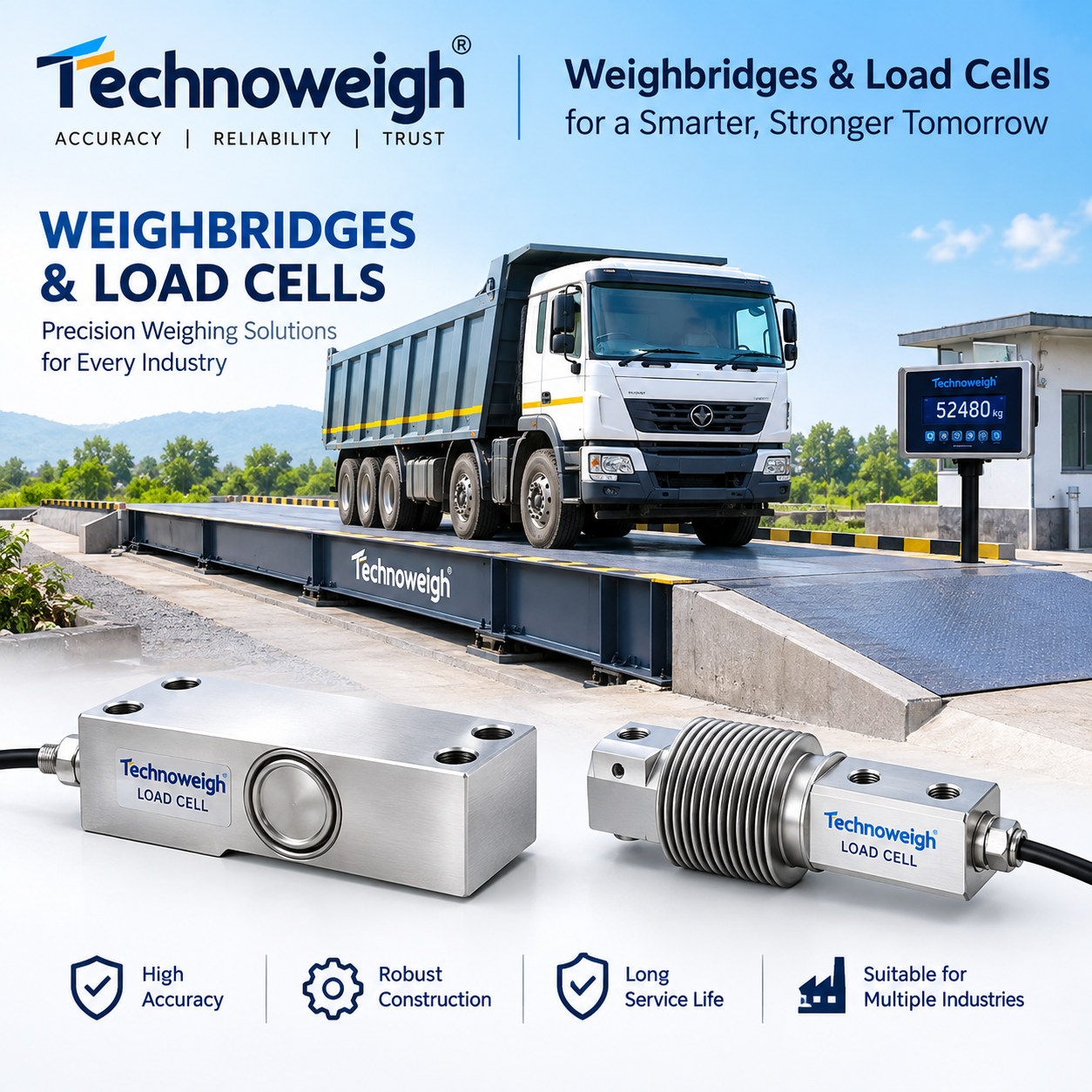
Manufacturers design and build the weighbridge itself — the steel platform, the foundation structure, the load cells, and the indicator/software system. A genuine manufacturer controls quality at the source and can customize designs (pit-type, pitless, portable, or modular) to fit your site.
Suppliers may or may not manufacture in-house. Many suppliers source components — particularly load cells and indicators — from specialized producers and assemble or distribute complete systems. A good supplier still offers installation, calibration, and after-sales service, even if they didn’t fabricate every part.
Exporters focus on shipping weighbridge systems or components internationally, handling logistics, documentation, and compliance with the destination country’s weights-and-measures standards. If you’re importing equipment, working with an experienced weighbridge exporter can save you from customs headaches and certification mismatches.
The most dependable weighbridge company is often one that plays more than one of these roles — designing, manufacturing, and exporting under a single accountable roof.
The Load Cell: The Heart of Every Weighbridge
If the weighbridge platform is the body, the load cell is the nervous system. A load cell is a transducer that converts the mechanical force of weight into an electrical signal, which the indicator then translates into a readable number.
Common types used in weighbridges include:
- Compression load cells — rugged and widely used for heavy vehicle scales
- Shear beam load cells — popular for their durability and moisture resistance
- Single-point load cells — used more in smaller platform or bench scales
When evaluating a weighbridge manufacturer, ask specifically about their load cells:
- Brand and origin — reputable global brands or well-tested in-house designs
- Capacity and accuracy class (e.g., OIML C3, C6) — determines legal-for-trade suitability
- Environmental protection rating (IP68 is standard for outdoor, wet, or dusty environments)
- Warranty terms — load cells are the most failure-prone component, so warranty length signals confidence
A weighbridge is only as accurate and durable as the load cells inside it. Cutting corners here is the single most common cause of long-term weighing errors.
How to Evaluate a Weighbridge Company
Before signing a contract with any manufacturer, supplier, or exporter, run through this checklist:
- Certifications — Does the company hold ISO certification and comply with OIML or relevant national legal-metrology standards?
- Track record — Ask for references or case studies from your specific industry (mining, agriculture, logistics, waste management, etc.)
- Customization capability — Can they adapt platform length, capacity, and foundation type to your site conditions?
- Installation and civil work support — Weighbridge installation involves foundation engineering; a good company either handles this directly or partners closely with civil contractors
- After-sales service and calibration — Load cells drift over time; ask about calibration schedules, spare parts availability, and response time for breakdowns
- Software integration — Modern weighbridges integrate with ERP, ticketing, and remote monitoring systems; confirm compatibility with your existing systems
- Export documentation (if importing) — Confirm the exporter provides proper calibration certificates, compliance documents, and shipping insurance
Domestic Supplier or International Exporter?
If you’re sourcing locally, a domestic weighbridge supplier offers faster installation timelines, easier warranty servicing, and simpler communication. If you’re importing — often to access more competitive pricing or specialized designs — working with an established weighbridge exporter matters even more, since you’ll depend on them for documentation, shipping logistics, and post-sale support across borders.
Many buyers today take a hybrid approach: sourcing load cells and core components from a well-regarded international manufacturer while working with a local supplier for installation, calibration, and maintenance.
Final Thoughts
A weighbridge is a long-term capital investment, and its accuracy directly affects your revenue, compliance standing, and operational efficiency. Whether you’re comparing weighbridge manufacturers, vetting suppliers, or evaluating an exporter for an international order, the fundamentals stay the same: scrutinize the load cell quality, verify certifications, and choose a company that stands behind its equipment long after installation.

Recent Comments